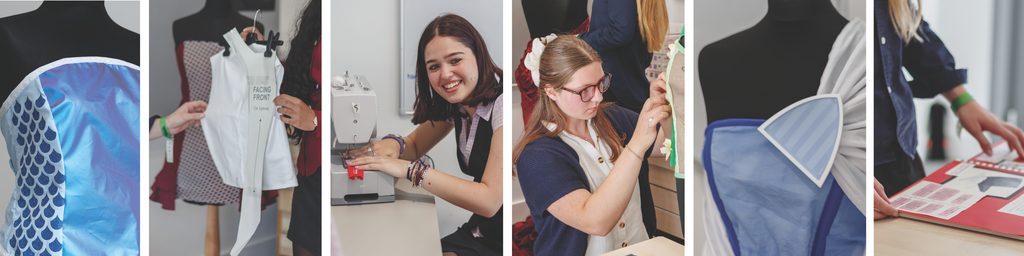

We are delighted to announce that we have just introduced a new A Level in Textiles to meet growing demand from pupils for creative arts qualifications.
Reinforcing our already strong reputation for excellence in creative arts and design, the addition of Textile Design at A Level builds on what is already available as a GCSE subject. Pupils can now choose Textile Design as a ‘through-subject’ all the way from Year 9 to Year 13. It forms part of the OCR Exam Board Art & Design suite of qualifications and, as such, has no written examination.
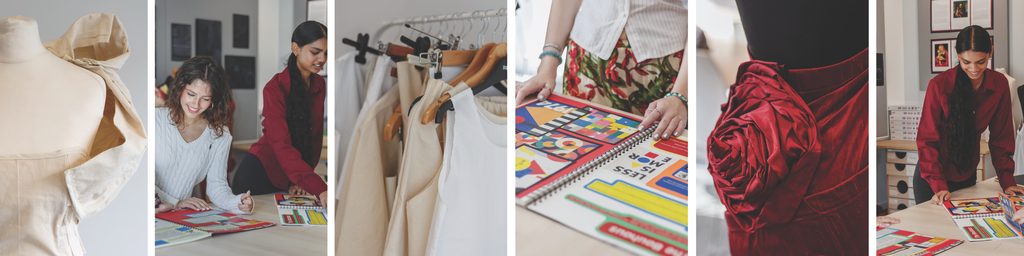
Within A Level Textile Design, students explore a wide range of textile processes such as machine and hand embroidery, pattern cutting, screen printing, weaving, heat transfer, batik and appliqué. Textile design at Thames has both a dedicated, well-equipped teaching space and an additional study room for students to continue work independently.
Students will take part in relevant visits and trips to support their studies and speakers are invited to help them consider suitable careers. Textile Design students develop both strong creative and technical skills and transferable skills such as problem solving, research skills and project management.
The subject has already attracted six Lower Sixth students who are combining it with a wide range of complimentary A Level subjects – including Art, 3D Design, as well as STEM or humanities such as English, History, or Modern Languages.
Commenting on the introduction of Textiles A Level, Mr Adkins, Head of Art and Deputy Head, said: “Textiles is becoming an increasingly popular A Level that combines well with many other subjects to set students up for a growing range of university degree courses in Textiles, and relevant careers that include Fashion, Fine Art, Manufacturing, Retailing, Architecture, Design and Engineering.
“Thames has a well-earned reputation for the excellence of its creative arts provision and, depending on their interests, our flexible timetable offering enables students to mix Textile Design with other related subjects.”